
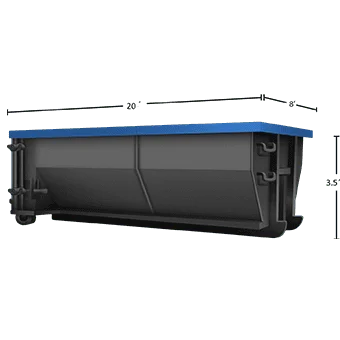
Include the loading method
Explain whether material is carried, wheeled or placed by other equipment. Ask about the proposed container's door and loading limits. Show the space needed to use those features rather than squeezing only the container body into a gap.
Check the site after other work is installed
Fencing, parked vehicles and stored supplies can obstruct a later collection. Compare the removal route with the planned final site condition, including any surface or access change.
Have the property contact approve the intended location and consult the relevant authority if public space is involved. This guide does not decide permit requirements.
Keep material and space changes connected
If debris differs from the original description or loading threatens the agreed limits, stop and discuss the change before adding more. Do not move the container independently to solve a space conflict.
An accepted position does not authorize every waste type, and accepted materials do not establish placement permission.
Questions before you book
Can I choose a container from a photograph?
Use the actual model's dimensions, features and loading requirements, not an image estimate.
What if the pickup route will change?
Tell the provider before the work obstructs it and agree a workable plan.